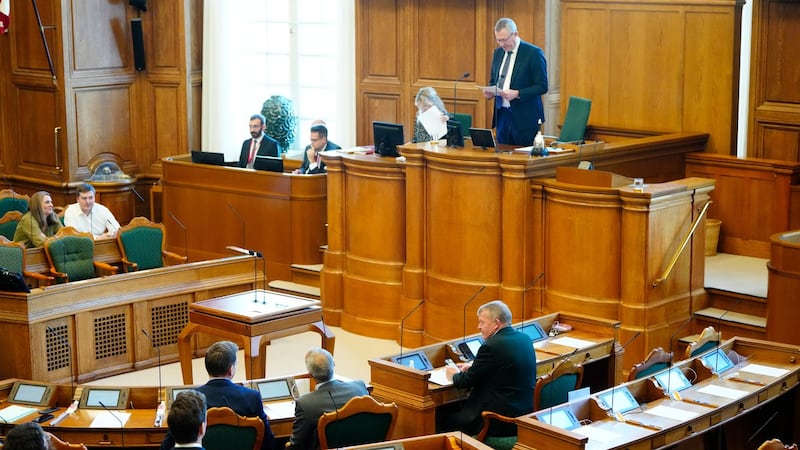
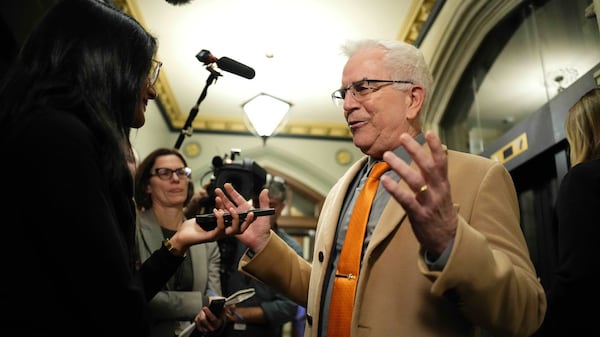
If passed, new Alberta legislation will allow the province to tear up existing bike lanes in municipalities. Bill 43, tabled on Thursday, proposes to give the minister of transportation the power to remove an existing bike lane that has removed a lane of traffic. Municipalities would also have to get approval from the minister for any new bike lanes – even those that are merely painted onto the road – and allow the minister to order the restoration of any lost vehicle lanes during road renewal. Transportation Minister Devin Dreeshen said the bill would help with the integration of municipal and provincial roadways. “We’re seeing an increased demand of our road network, and when we have municipalities that are restricting that road network, that’s where the friction is,” Dreeshen told media after the bill was tabled. In June, the Alberta government launched a bike lane complaint line, saying those results would help inform incoming legislation. It did not include an option for bike lane supporters to weigh in. Dreeshen said lanes he heard were problematic in Edmonton included Hermitage Road and Victoria Park Road, which sees a seasonal lane closure. Calgary’s 100 Avenue was also unpopular. Dreeshen said the province would not be paying to remove any bike lanes his ministry decides should be removed. “We do not have a provincial bike lane budget. Both Edmonton and Calgary have extensive bike lane budgets,” he told media after the bill was tabled. The legislation does not differentiate between types of bike lanes and does not include a definition of what constitutes a “lane of traffic.” Details are to be rolled out in regulations in April when the new rules are expected to come into effect. Dreeshen said the province will be collecting data from cities on bike lanes before any decisions are made to remove them. ‘Let communities decide’ Mayor Andrew Knack called the province’s plans “uninformed” and said they will make life less safe and less affordable for residents. “The City of Edmonton has spent a decade building out our transportation network based on data,” he said. “This work has been led by professional engineers and experts in transportation planning that understand how to design roads for everyone.” “Edmontonians are, once again, facing a dangerous, uninformed decision, [made] without meaningfully engaging the people who know our roads best.” He added that the money that will need to be spent on “red tape” would be better spent on snow removal, road repair or public safety. Alberta Municipalities’ vice-president Dylan Bressey said he’s also disappointed with the province’s priorities. “We have a looming infrastructure crisis in this province, where municipalities are billions of dollars short in terms of having what they need to replace basic roads and basic pipes,” Bressey said. “This is not what Albertans need to build our economy and support affordability,” he added. Some Edmontonians have been vocal about their displeasure with the city’s active transportation plans, arguing they negatively impact traffic congestion and parking. The city and advocates say bike lanes offer safe affordable transportation options and lessen pressure on roadways. The city says that removing them could cost up to $170 million, which would drive up property taxes. “This is just unbelievable overreach again on the part of the government,” Alberta NDP Leader Naheed Nenshi said. “This has nothing to do with bike lanes, they are just trying to start up yet another front in their culture war.” “Taking over local decision-making is also incredibly disrespectful to local voters,” said Lorne Dach, the NDP’s transportation shadow minister. “Residents and their elected councils should make municipal decisions, not Danielle Smith and her rural ministers.” In Ontario, cyclists have taken that province’s plan to remove bike lanes in Toronto to the Supreme Court of Canada, arguing the removal puts lives at risk and violates Charter rights to life and security of the person. Dreeshen said he is confident the legislation would hold up in court should it be challenged. Light rail transit Edmonton’s LRT system will also see more provincial oversight should Bill 43 become law. Dreeshen said the changes are needed as the province explores the possibility of a high-speed rail between Alberta’s two largest cities. “It’s the smart way to design it up front so that it all fits together,” Dreeshen said. Amendments would require municipalities to notify the minister and get approval for any new transit line or any changes to a current line. Applicable changes include any relating to planning, design, project delivery, passenger safety and asset management. If the minister does not like the city’s plans, he would have the power to change them. Municipalities will have to bear the brunt of any costs associated with complying – including any compensation for changing or cancelling a contract. The omnibus Bill 43 also included the establishment of provincial safety standards for privately owned e-scooter and e-bikes, as well as increasing penalties for unsafe commercial truck drivers. With files from CTV News Edmonton’s Angela Amato and Chelan Skulski, CTV News Calgary’s Michael Franklin and Kevin Green, and The Canadian Press