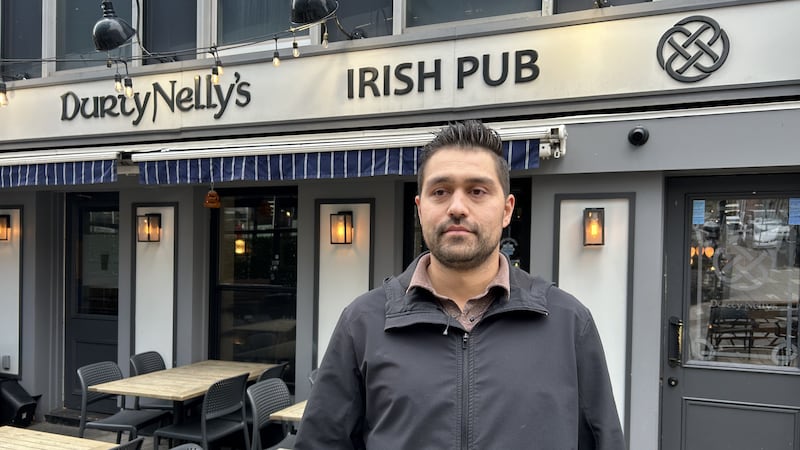
A Richmond, B.C., businessman and avid Pokémon card collector is speaking out after what he says was a nearly $1 million lesson in the growing risks of the high-end collectibles market. Jesse Peng, who owns a Pokémon card shop with his wife, says he spent years trying to acquire one of the hobby’s most coveted cards: a Call of Legends Shiny Rayquaza graded PSA 10, the highest rating assigned by the card grading company. “It’s one of the rarest cards in the world,” Peng told CTV News. According to Peng, he paid US$660,000, about C$935,000, for the card through a Pokémon card broker, completing the transaction using cryptocurrency. “This is someone that I’ve seen do big deals in the past and has a pretty good reputation. So I trusted the middleman’s ability to authenticate the card,” he said. Peng says everything appeared legitimate when the card arrived via courier. “When I received the card, I initially looked at it and I was like, this is the card of my dreams,” he said. But after taking a closer look, Peng says he noticed problems with what appeared to be the card’s PSA 10 authentication label. He then ran the card through software being developed by his tech startup to help identify counterfeit collectibles. “When I put it through our system, our system flagged it to being fake,” Peng said, in disbelief. “I was so in denial that I was mad. I was like, if this is fake, then what is real?” Peng says what appeared to be a PSA 10 authentication label contained security features that did not match authentic examples. “The fugitive ink that was part of the PSA security label was wrong,” he said. Peng sent the card to PSA for review. The trading card authentication company told CTV News its authentication process identified a fraudulent PSA holder associated with the card. In other words, while the card itself is believed to be real, PSA determined it was not an authentic PSA 10, significantly reducing its value. PSA also said fraudsters have “become more sophisticated in producing deceptive cards and altered items” as the value of high-end collectibles continues to rise. A PSA spokesperson said it wouldn’t comment on active investigations, but emails obtained by CTV News show PSA is working with law enforcement in Peng’s case. With rare trading card values soaring in recent years, concerns about counterfeit and altered collectibles have grown throughout the hobby. “This is a very, very big problem in the collecting community,” Peng said. While Peng says he does not think the broker knowingly participated in the alleged fraud, he believes the broker should still be held accountable for the transaction. The broker involved in the transaction declined CTV News’ request for comment. Peng says he is now exploring his legal options and hopes to recover at least some of the money he lost. “Hopefully I can partially recover some of my lost funds. But if not, then it will be a very expensive learning lesson,” he said. He’s also sharing his story as a warning to other collectors, urging them to independently verify high-value cards before purchasing them and to avoid paying with cryptocurrency whenever possible. PSA also urges collectors to be vigilant. “We strongly advise extreme caution when purchasing high-value, raw cards on peer-to-peer marketplaces,” said a spokesperson in a statement. “When buying encapsulated cards, collectors should always verify the certification number and scans in PSA’s public database, inspect the physical holder for tamper-evident features, and submit items for official review whenever uncertainty exists.”