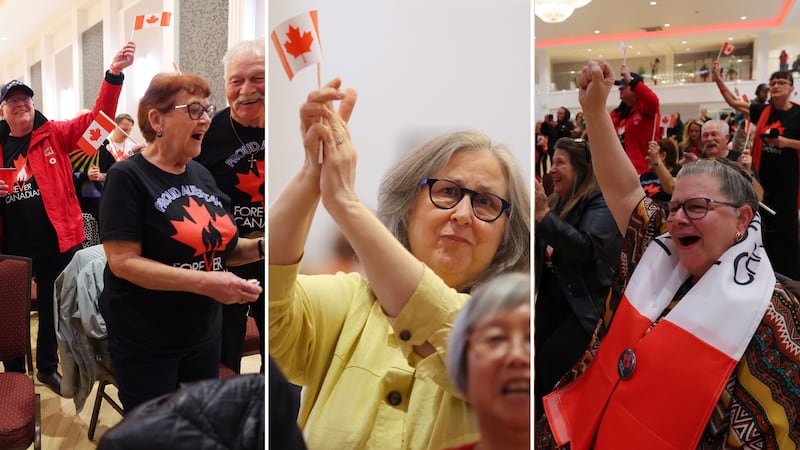
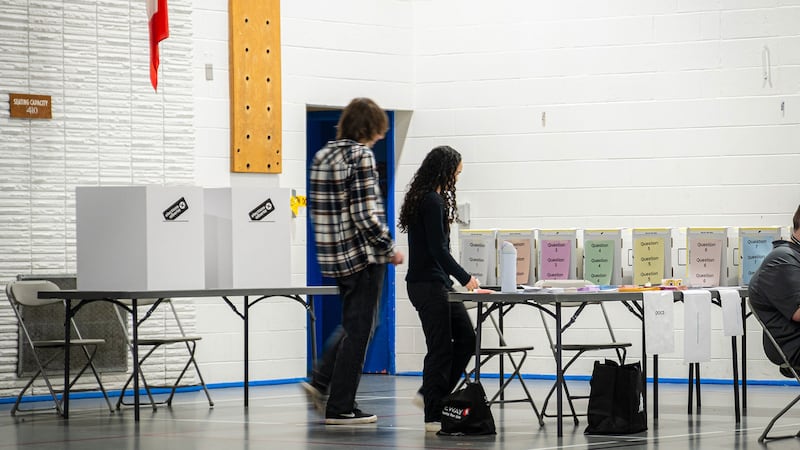
CTV News is your Alberta Referendum headquarters. Live results. Expert analysis. Everything you need to know is here. OTTAWA — Albertans have chosen. The majority of those who cast their ballots in the province’s historic referendum voted in support of staying in Canada rather than pursuing separation. In a closely watched and highly consequential election – and with results still coming in – around 76 per cent of voters said Alberta should remain part of the country, while about 24 per cent supported pursuing a binding referendum on whether the province should separate from the rest of Canada. Elections Alberta was set to announce the final tally for the 10th question by 4 a.m. MT (6 a.m. ET) but after some polling places closed late, there has been some delay in reporting the results from the outstanding 30 per cent of polls. A reminder, the ballot question Albertans were weighing was: “Should Alberta remain a province of Canada, or should the Government of Alberta commence the legal process required under the Canadian Constitution to hold a binding provincial referendum on whether or not Alberta should separate from Canada?” And voters had two options for their answer: According to the preliminary figures, more than 1.2 million votes of the more than 1.6 million cast, were in favour of the first option, a decisive indication of how Albertans feel after having several months to hear the pitches from pro-federalist and separatist groups. “Above all, Albertans chose Canada,” Prime Minister Mark Carney said, reacting to the early results. “They chose unity, to build together, and to take care of each other,” he said, indicating the way forward will be together, “with renewed purpose and high ambition.” “Canada is so much greater than the sum of its parts. Now it is our opportunity to take all that we have been given as Canadians – and we have been given the greatest country in the world – and make our country better for all of us,” he said. What happens now? Now that Albertans have voted to remain a province, this particular process has ended. But that doesn’t mean the issue or the sentiments within the province that got us here cease to exist. This so-called “no vote” doesn’t eliminate the possibility that a future government could revisit the question of separation. Those on this side of the vote have already spoken out, indicating as much. Keith Wilson, the co-chair for the group Let Alberta Decide, has said that no matter the outcome, it won’t be the end of the separatism discussion. “Regardless of what happens tonight, it’s going to keep going forward,” he said. “I think we’re having the important discussions, and hopefully in time it will become less polarizing.” Jeffrey Rath, legal counsel for the separatist Alberta Prosperity Project, said he thinks a “political movement” has been created. “We’re not going to stop until Alberta becomes a free and independent country and becomes the wealthiest country in the world,” he said. Under the province’s citizen-initiated referendum laws, a future petition process could spark a similar democratic exercise. Until then, efforts to improve federal-provincial relations will likely be the focus for both governments. Alberta Premier Danielle Smith said she’s “very pleased to see the initial results from Elections Alberta show widespread support for remaining in Canada.” “Thank you to all Albertans who took time to vote on these critically important referendum questions,” she said in a statement. Smith also said she’ll deliver a live address to Albertans to discuss where the province goes from here, at 6:45 p.m. MT tonight. Speaking a week ahead of the vote, CTV News pollster Nik Nanos said after the separatist Parti Quebecois in Quebec received 28 per cent popular support in that recent provincial election, the question for the federal government coming out of the Alberta vote would be whether the pro-separatist vote in Alberta is higher or lower. He said, in his view, this will dictate where the federal government spends its energy when it comes to trying to quell separatist sentiment. “Regardless of what the number is, there will be stress on the federation,” Nanos said. How did we get here? The Alberta government announced in February that a referendum would take place. According to the provincial government, the series of events that sparked this referendum date all the way back to the election of the Justin Trudeau Liberal government in 2015. Though, after a decade of what the Alberta government has characterized as “destructive anti-Alberta policies,” since Carney took office, it’s seeing a light at the end of the tunnel. Ahead of the vote – citing the progress on energy policies and the promise of a new pipeline – Smith’s government was advocating for Albertans to vote to remain in Canada “and focus our efforts on building a stronger and more sovereign Alberta within a united Canada.” Those campaigning to pursue separation, though, were less assured that the last 18 months were an adequate indication of how the province will be treated on a go-forward basis by future federal governments. The issue of separation was certainly the most consequential ballot question, but it was just one of 10 questions put to voters. The premier, in making her push against setting a formal separation vote in motion, characterized the nine other questions on the referendum ballot as a potential political compromise. That’s because the other issues Albertans had their say on could also have knock-on effects for the entire country. Those questions centred around immigration reforms, judicial appointments, Senate abolition, and loosening the federal-provincial linkages on laws and social services. While the votes on those questions are being counted right now, Elections Alberta has said official results will not be announced until Wednesday. Stay on top of what we know so far about how Albertans voted on those questions, here.