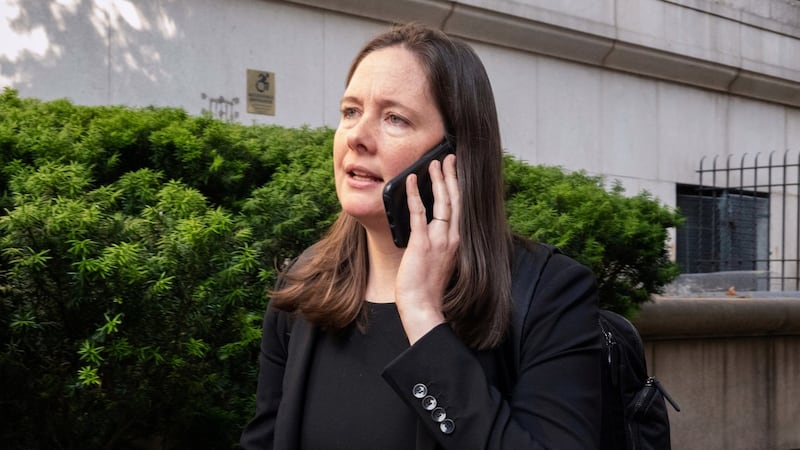
Many vulnerable people in Sudbury originally came here to access services and lack the resources to go back home, the city’s police board was told at a special meeting Monday. The meeting was held amid growing concerns about chronic safety issues downtown, many linked to the growing homeless encampment centred in Energy Court off Lorne Street. The board is formally asking the province to pass legislation to provide “for involuntary addiction treatment” for people who refuse to get help. The treatment “would include assessment services, stabilization, intervention, treatment, and follow-up support for individuals who chronically place service demands on police ... social services and health care system.” Board chair Gerry Lougheed asked police chief Sara Cunningham about persistent stories that people are given one-way bus tickets to Sudbury to access health services or attend court -- and end up staying here because they don’t have money to return to their home communities. “So we inherit them -- is that correct?” Lougheed asked. “That is correct,” Cunningham said. Mayor Paul Lefebvre said people shouldn’t be sent here without the means to get back home. “I think because of our regional hospital that we have here, and certainly we have a regional jail, as well,” Lefebvre said. “So sometimes those individuals come here and they don’t have the capacity or the ability to return home, and therefore they stay here -- and we heard evidence of that today.” “How do we coordinate better with that (to ensure) that they are returned home and they are taken care of in their community -- because that’s ultimately what should be happening,” he added. Cunningham said they are hearing about cases of people coming here from other communities for whatever reason – and not leaving. “That is something we’re hearing,” she said. “Individuals do come here -- either (they are) incarcerated or here for health services -- and then generally stay in our community after … There are individuals that are coming here and get services here in Sudbury and then make Sudbury home.” Cunningham added that the underlying problem driving issues downtown is drug addiction – and police need more tools to address the issue. They can arrest an addict, but if they refuse help, they can resort to petty crime once released from custody to support their drug habit. “When we are called and there is an offence that has been committed, we are holding those offenders accountable and we are putting people before the courts,” she said. “But again, sometimes the court system isn’t what this individual needs. And just because they’re unhoused and they have mental health issues and addiction issues doesn’t necessarily mean they’re a threat to public safety.” Lefebvre said the motion from the police board would give the city options to deal with people who refuse help. “The board (is) asking the province and the federal government to look at the legislation and what tools can we have to better support these individuals and ensure that they get the help that they need when they need it, not when they want it,” he said. David McNeil, president and CEO of Health Sciences North, said they are the only hospital providing long-term services to treat addiction – but their program has a long wait list. “We are the only service in all of northeastern Ontario,” McNeil said. HSN reports that opioid-related death rates in northern Ontario are 3.3 times higher than the provincial average. Lefevere said involuntary intervention for some addicts is the only way to get them into treatment.