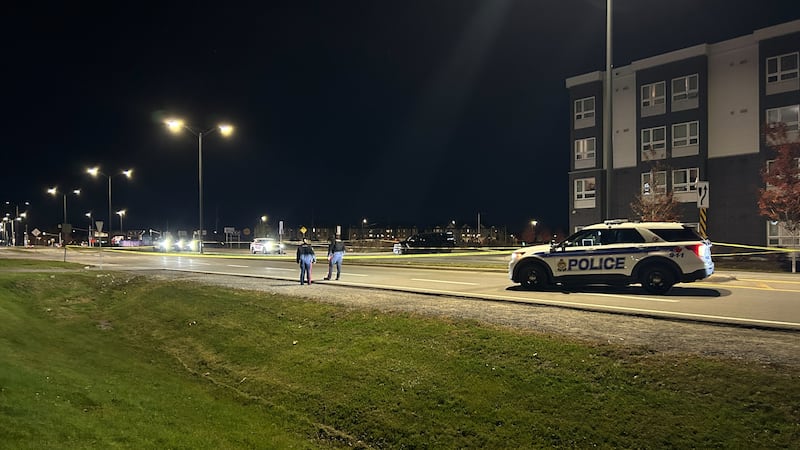
The convicted killer at the centre of a controversy at McGill University is back in custody. While Correctional Service Canada does a thorough assessment of his case, Jeffrey Ewert had been taking law classes at McGill since the beginning of the semester. Ewert was convicted of second-degree murder and attempted murder for attacks committed in British Columbia in 1984 when he was in his 20s. According to court records, he strangled and sexually assaulted a young woman after offering her a ride home from a bar. She died from the attack. He also severely beat a 15-year-old girl and strangled her then threw her in a ditch. She was found the next day and suffered significant brain damage, is now blind and a quadriplegic. His presence on campus has caused division among students, and there is a petition calling for Ewert to be banned from campus, and another demanding he be allowed back. CSC said that a suspension warrant for Ewert’s conditional release was issued and that “the offender has returned to custody while a more thorough assessment of the situation is being conducted.” “CSC may suspend an offender’s conditional release when there are reasonable grounds to believe that the offender has breached a condition of release or that the risk they present can no longer be safely managed in the community,” CSC spokesperson Kevin Antonucci said. “Following a suspension, the case is reviewed in accordance with the established post-release decision-making process, which may include further consideration by the Parole Board of Canada (PBC).” CTV News contacted Ewert’s lawyer, who did not offer any comment. CSC said it could not provide further information regarding the specific conditions that led to the suspension, as it’s an active case. “CSC continuously assesses information obtained throughout an offender’s period of community supervision,” said Antonucci. “When concerns arise regarding an offender’s behaviour, compliance with release conditions, or ability to be safely managed in the community, CSC takes appropriate action. If the risk can no longer be safely managed in the community, CSC may suspend the offender’s release and return them to custody. CSC works closely with its partners to respond quickly when circumstances require intervention.”