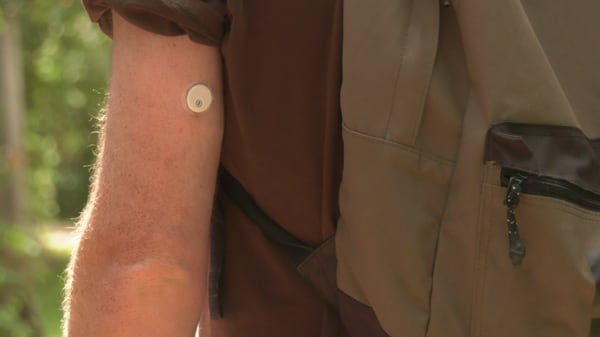
STANHOPE, P.E.I. - By the time Everton McLean learned he was living with Type 2 diabetes in his mid-30s, the disease had already affected three generations of his family. His diagnosis made him the fourth much sooner than he expected. McLean remembers returning home feeling miserable after a long walk almost a decade ago. He tested his blood sugar using one of his father’s strips and saw a reading several times higher than normal, so he sought medical care. In the years since, the diagnosis has come with challenges, including false assumptions. “The misconception is that it’s kind of your fault. There’s kind of a stigma that you did this to yourself,” McLean said. “The reality is much more complex than that.” McLean, 43, lives in Charlottetown where he runs a dentistry business. He said he’s been active all his life and has always watched his health to some degree, but lifestyle can only go so far. McLean said he’s been active all his life and has always watched his health to some degree, but lifestyle can only go so far. “I can run 10 kilometres a day and I’ll still have diabetes,” he said. National polling suggests the long-standing myth is still widespread. A 2025 survey of more than 1,000 adults commissioned by Diabetes Canada found 30 per cent believed most people who develop the disease have only themselves to blame because of their lifestyle. Nanos Research surveyed participants by telephone and online between July 31 and Aug. 6, 2025. The survey has a margin of error of plus or minus 3.1 percentage points, 19 times out of 20. It also found almost half believed diabetes is caused by consuming too much sugar. In a question specifically about Type 2, 40 per cent said people using medications such as insulin or semaglutide had failed to manage their condition properly through diet and exercise. While those factors can influence risk, Diabetes Canada says they’re only part of the picture. “There’s family history. There’s your ethnicity,” said Diabetes Canada President and CEO Laura Syron, who also lives with Type 2 diabetes. “We know that certain ethnicities, Black, South Asian, people who come from Indigenous populations have a much higher prevalence.” The consequences can go beyond judgement. More data from the organization shows more than half of people living with the chronic condition never or rarely ask for support when they need it, a reluctance shaped in part by shame and blame. “They may not be going to their doctors. They may not be talking to their pharmacist. They may not be reaching out to friends and family for support,” Syron said. She said the effects can snowball, leading to missed checkups, medication not being taken as directed and poorer physical and mental health. That stigma can also make some people embarrassed to wear monitoring tools in public. McLean relies on a glucose sensor, alongside several medications, to guide his daily decisions and better understand how his body responds. The readings go straight to his phone, giving him a real-time picture of how food and activity affect his blood sugar. Based on what he sees, McLean said a walk after supper can bring a spike down by about 25 per cent, while even black coffee in the morning can send it up. His son is still young, but McLean has already started talking to him about diabetes could mean for his own health. “Looking at those numbers on the phone, what they mean and that sort of thing, just make sure he’s aware,” McLean said. “Awareness is the key piece.” While the risk may run in the family, McLean hopes the stigma will end with his generation.